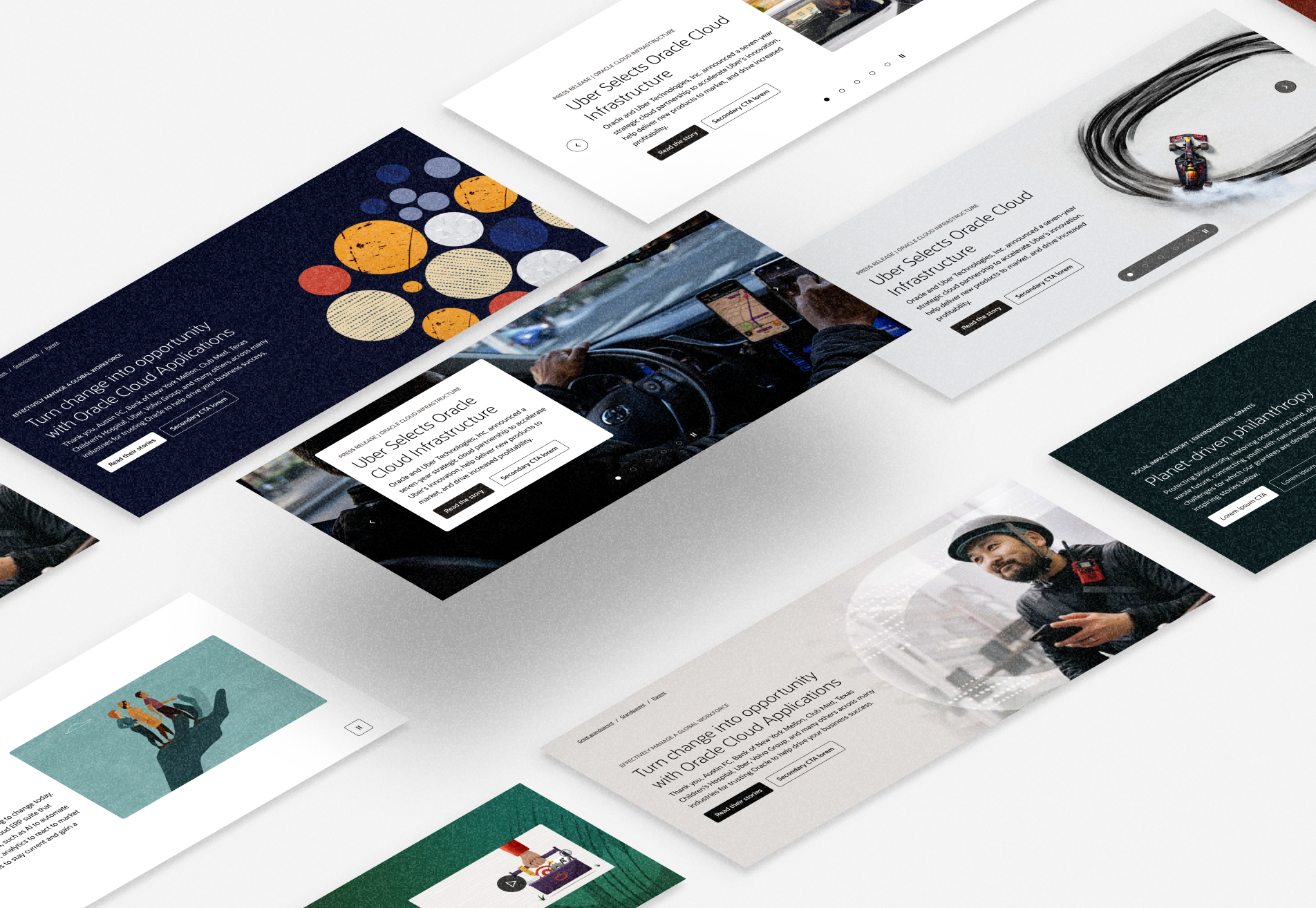
Sequoia Design System and codebase
Creating a future proof design system for Oracle.com
Active listening
Active listening isn’t a power. It’s a skill, anyone can learn it, anyone can use it. Once you do, your life will change.
Not just your professional life, but your personal life. You’ll deepen every relationship you have. You’ll be seen as a compassionate and trustworthy person by everyone you meet.
Sounds pretty good, doesn’t it?
Well, when you go to any fast food restaurant and give them your order there is a certain procedure they follow:
In this example the fast food order taker is practicing active listening. They are making you feel heard by repeating back what they said. They aren’t just saying okay we’ll bring it out when it’s ready. They are proving to you that they heard you by repeating back exactly what you said. If they get it wrong you have the chance to correct them. They then repeat it back again. This in turn, makes you feel like you have been heard. You then trust that your order will come out exactly how you want it.
Making someone feel like they have been heard is everything. Whether it’s your children, your partner, or your coworker. When someone hears you repeat back what they said they know you were listening. That confirmation is the secret sauce to active listening.
It’s easy to actively listen when you agree with someone else. It’s much harder when you disagree, and it is even more important that you do it during conflict.
Say you get a suggestion from a colleague that you believe is a bad idea. You shouldn’t dismiss it immediately. You should still repeat it back to them, acknowledge you heard their idea and then state why you disagree. If both you and your coworker are practicing active listening then eventually you will both come to a conclusion that everyone is happy to agree on. If only you are practicing active listening it is best to just hear their feedback and tell them you will consider it as you work to resolve the issue. This is often the case when you are presenting work to a client or your boss in a meeting.
Like all skills, this takes practice. You may sound robotic and formulaic at first, like a fast food worker. But with time you’ll be able to slip this into normal conversations, presentations, or critiques without anyone questioning your delivery. They’ll be too busy feeling heard.
Creating a future proof design system for Oracle.com
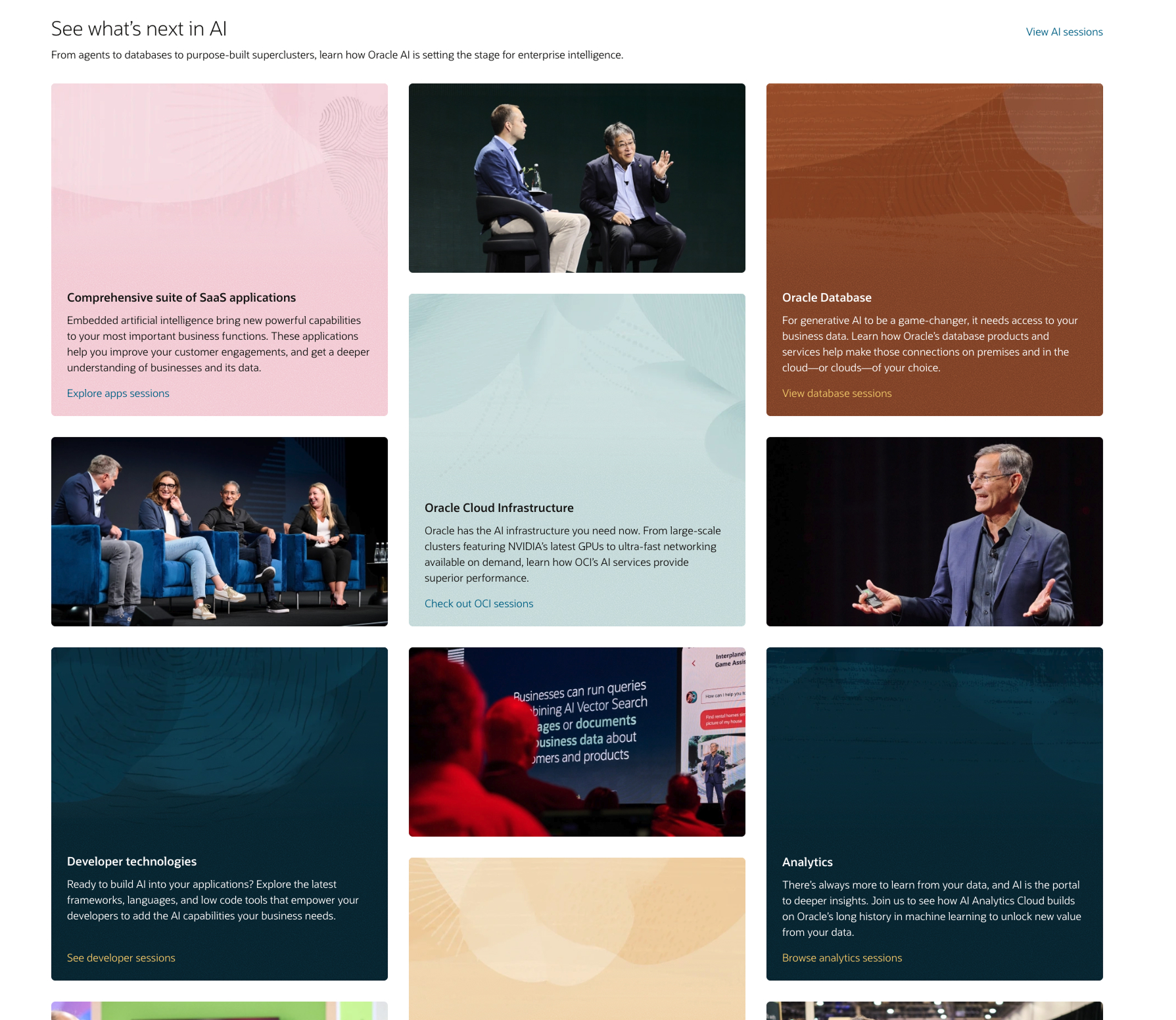
Creating a site to drive registrations and engagement
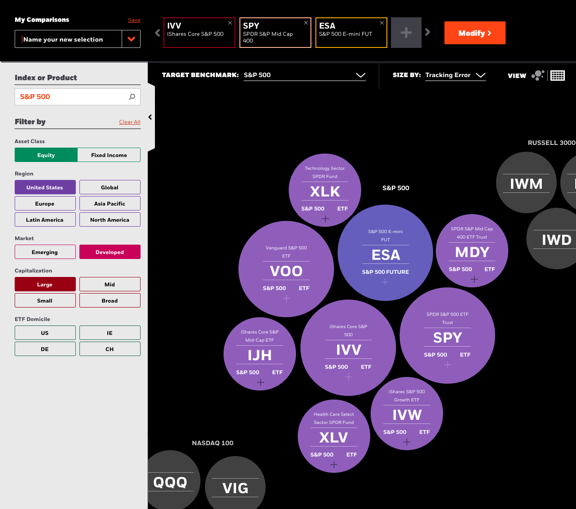
Exploring the universe of the beta investment strategy and helping institutional investors understand all of their options.
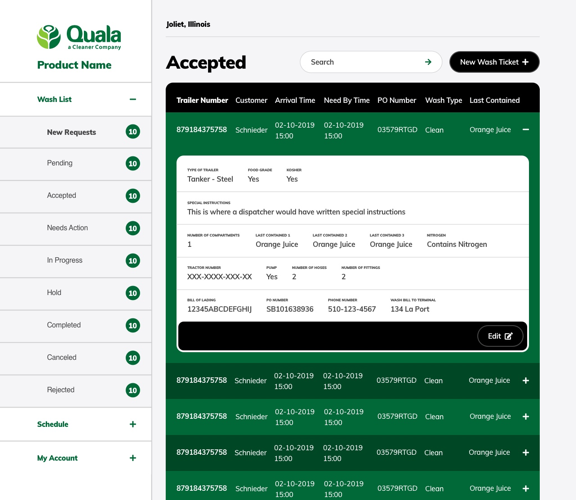
Digital transformation on a deadline. 90 days to deliver a product that transforms a business.